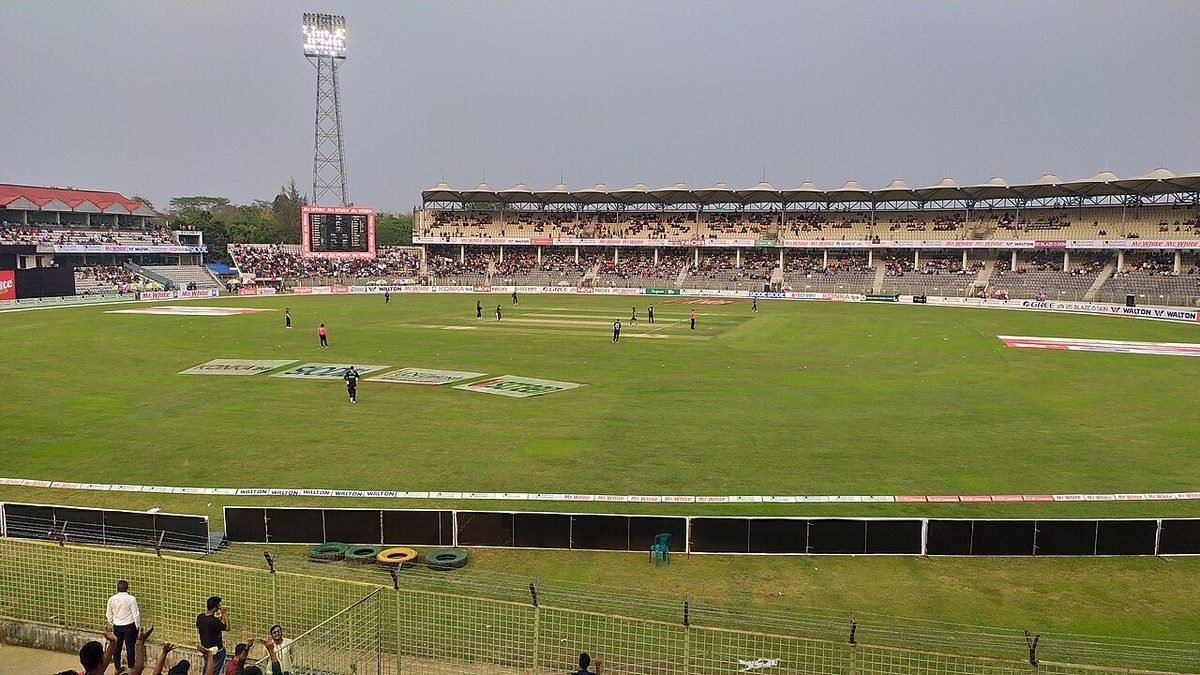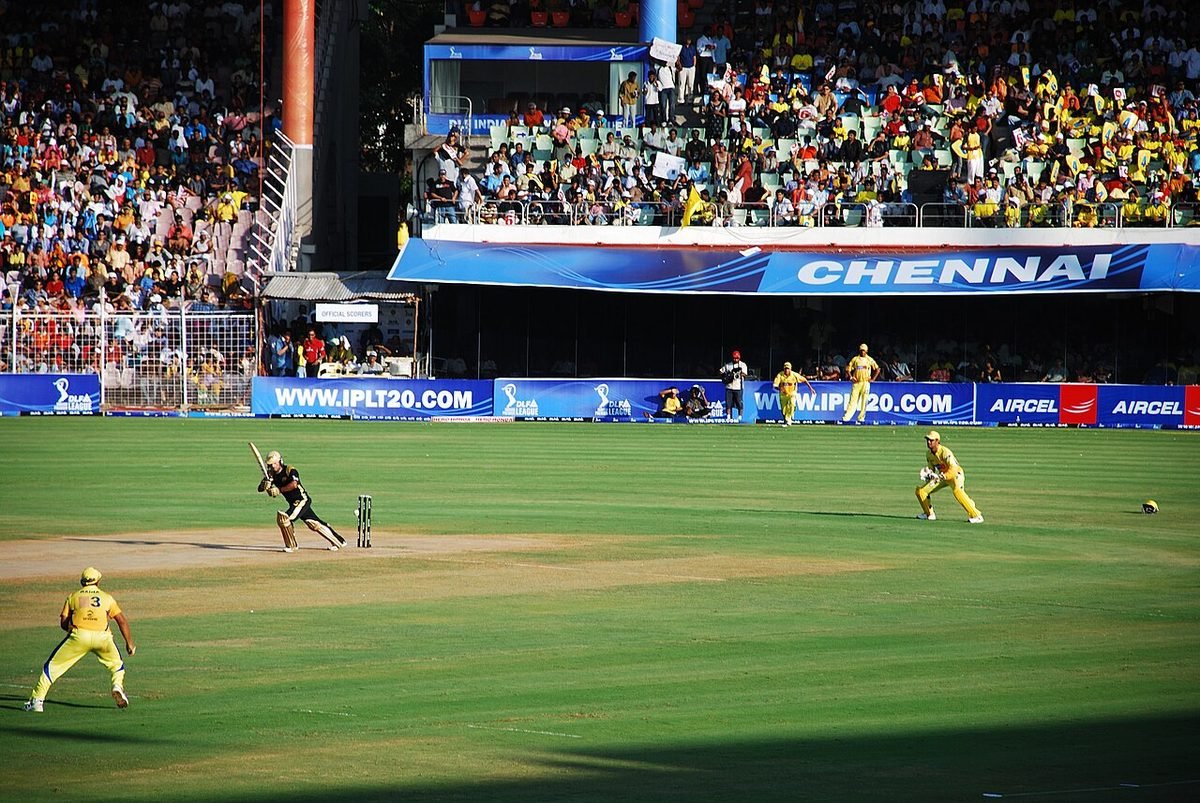
The basics
| Detail | T20 |
|---|---|
| Overs per innings | 20 |
| Balls per innings | 120 |
| Max overs per bowler | 4 |
| Powerplay | First 6 overs (max 2 fielders outside circle) |
| Typical duration | ~3 hours |
Where the 20 came from
T20 wasn't handed down from cricket's gods — it was invented in England in 2003 as a desperate attempt to get young crowds into county grounds. The first Twenty20 Cup was a domestic experiment. Then came the first T20 international in 2005 (New Zealand vs Australia in Auckland — the players wore retro kits and fake moustaches, which tells you how seriously anyone took it). Two years later, the 2007 T20 World Cup — and Misbah's scoop — made it the sport's economic engine.
Nobody planned for 20 overs to conquer cricket. It just turned out to be the perfect length: short enough for a weeknight, long enough for a proper contest.
Format comparison
| Format | Overs per side | Max per bowler | Powerplay | Duration |
|---|---|---|---|---|
| Test | Unlimited (5 days) | Unlimited | None | Up to 5 days |
| ODI | 50 | 10 | Overs 1–10 (2 out) | ~8 hours |
| T20 | 20 | 4 | Overs 1–6 (2 out) | ~3 hours |
| The Hundred | 100 balls | 20 balls | First 25 balls | ~2.5 hours |
Women's T20 internationals use exactly the same format — 20 overs, same laws, same powerplay.
The 4-over limit: why it shapes everything
20 overs ÷ 4 per bowler = a captain needs at least 5 bowling options. This single rule creates T20's entire tactical texture:
- The all-rounder premium: a sixth bowler who can also bat is worth gold — it lets the captain hide a bad matchup or cover an injury.
- Matchups rule: with only 24 balls per bowler, captains hunt specific batter-vs-bowler battles (spinner vs power-hitter, left-arm angle vs right-hander).
- The death-overs specialist: the last 4 overs are a distinct skill — yorkers under pressure — and the bowlers who own them get paid accordingly in every league on earth.
If a bowler gets injured mid-over, another bowler finishes it — but the replacement can't bowl the next over either (no bowler may bowl consecutive overs). The 4-over quota still applies to the combined split.
Powerplay and restrictions
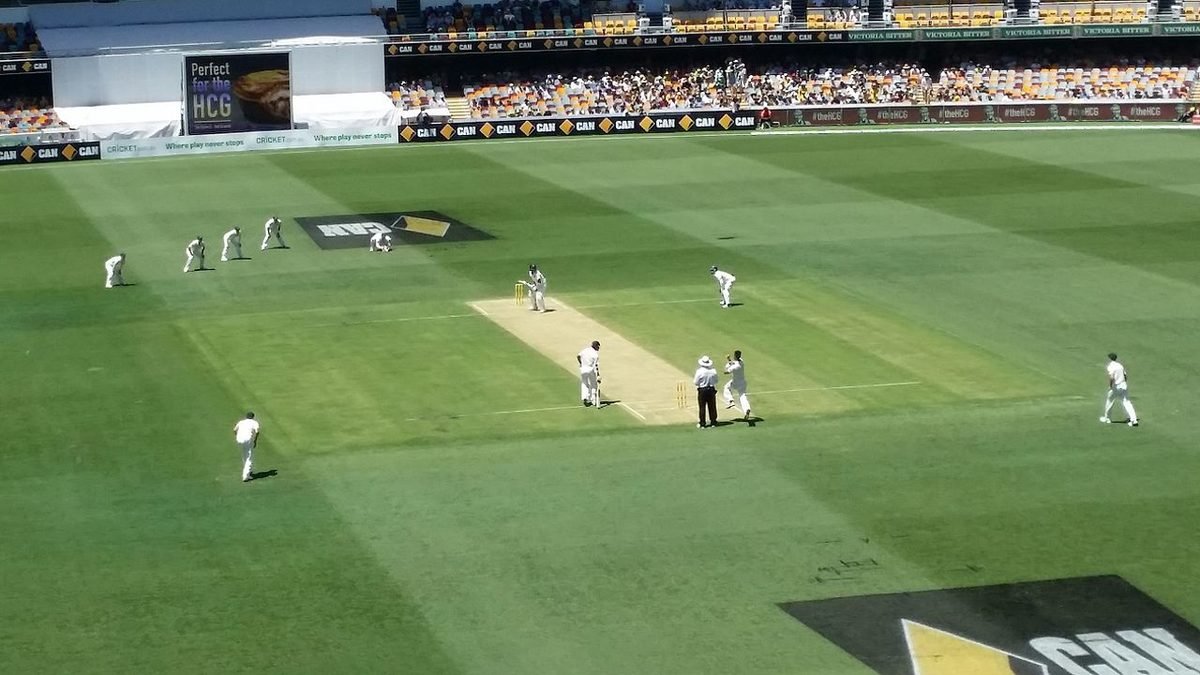
- Overs 1–6: Powerplay — maximum 2 fielders outside the 30-yard circle.
- Overs 7–20: Maximum 5 fielders outside the circle.
- Each bowler's 4-over limit means captains need at least 5 bowling options.
If rain hits
Overs get reduced (DLS), but a result needs at least 5 overs per side in a T20. Fewer than that: no result.
When overs are cut, everything scales down proportionally:
| Revised innings | Max overs per bowler | Powerplay overs |
|---|---|---|
| 20 overs | 4 | 1–6 |
| 15 overs | 3 | 1–5 |
| 10 overs | 2 | 1–3 |
| 5 overs | 1 | 1–2 |
Approximate per ICC playing conditions — the principle is pro-rata.
A 5-over shootout is a different sport: one bowler each, swing hard from ball one, and the powerplay barely matters because everyone's attacking anyway. I've seen a 5-over game decided by a single wide — that's T20 stripped to pure chaos, and it's glorious.
What happens if... (edge cases)
- Tie: straight to a super over — one over per side, then repeat if needed.
- Bowler can't complete their quota: injury or suspension — the over is finished by a teammate, quotas adjust.
- Slow over-rate: fielding teams face penalties (fewer fielders allowed outside the circle in the final overs under current ICC rules) — time-wasting is now tactically punished.
- Innings break length: usually 10–15 minutes in T20s, versus 45 in ODIs. Blink and you'll miss it.
New to the format? Start here: Super over rules
Keep reading: Powerplay rules in ODIs · DLS method · NRR explained · Tri-series schedule