The three phases
| Overs | Name | Max fielders outside circle |
|---|---|---|
| 1–10 | Powerplay 1 (mandatory) | 2 |
| 11–40 | Powerplay 2 | 4 |
| 41–50 | Powerplay 3 | 5 |
A short history of field restrictions
Field restrictions weren't always a thing — and the current system is the result of 30 years of tinkering:
| Era | Rule |
|---|---|
| Pre-1992 | No restrictions at all — captains could put all 9 fielders on the boundary from ball one |
| 1992 WC | First 15 overs: max 2 fielders outside the circle — invented to force attacking cricket, and it worked spectacularly |
| 2005 | "Powerplays" arrive: 10 mandatory overs + two 5-over blocks the captains could choose to take |
| 2008 | The batting team gets to choose one 5-over "batting powerplay" — usually saved for the death |
| 2015–now | Choices scrapped; fixed phases: 10 / 30 / 10 overs with 2 / 4 / 5 fielders out |
Every change was trying to solve the same problem: the middle overs were dying as a spectacle. Batters milked singles, captains spread the field, crowds checked their phones. The fixed modern system keeps the game moving without the tactical faff of choosing blocks.
Why it matters
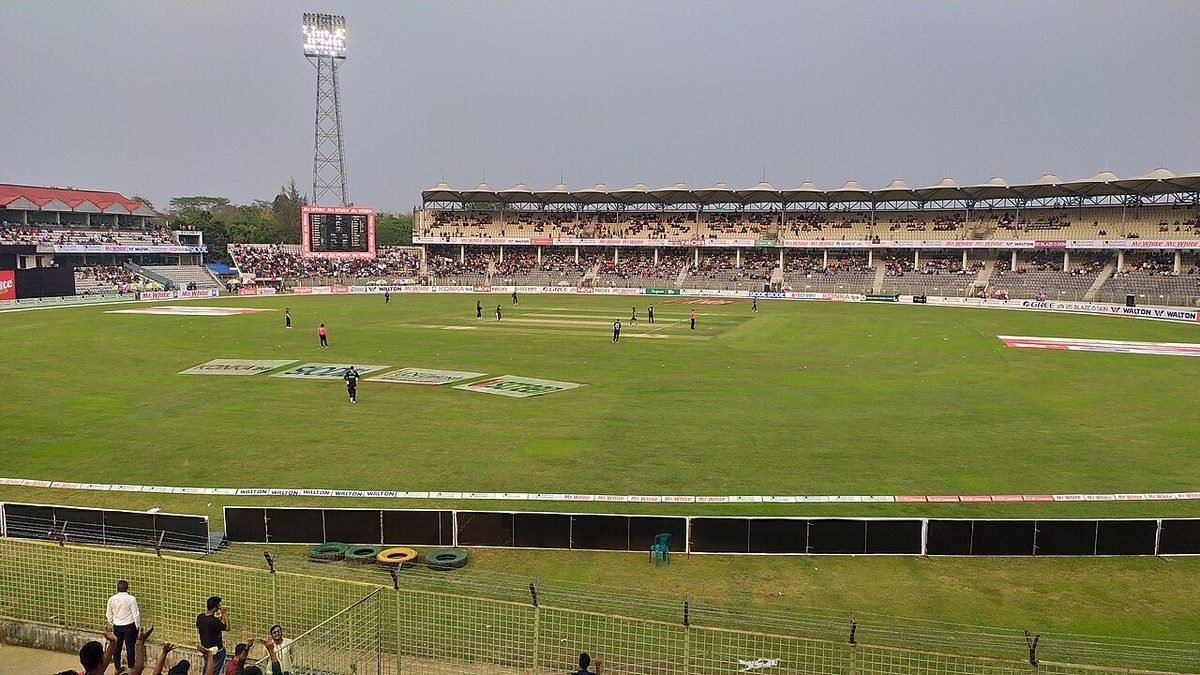
- Overs 1–10: With only 2 fielders patrolling the boundary, openers attack — this is where matches are often won in the first hour.
- Overs 11–40: The "middle overs" grind — spinners operate, batters rotate strike, wickets in hand matter more than run rate.
- Overs 41–50: The death — 5 out, but batters swing anyway; yorkers and slower balls decide it.
Phase-by-phase strategy
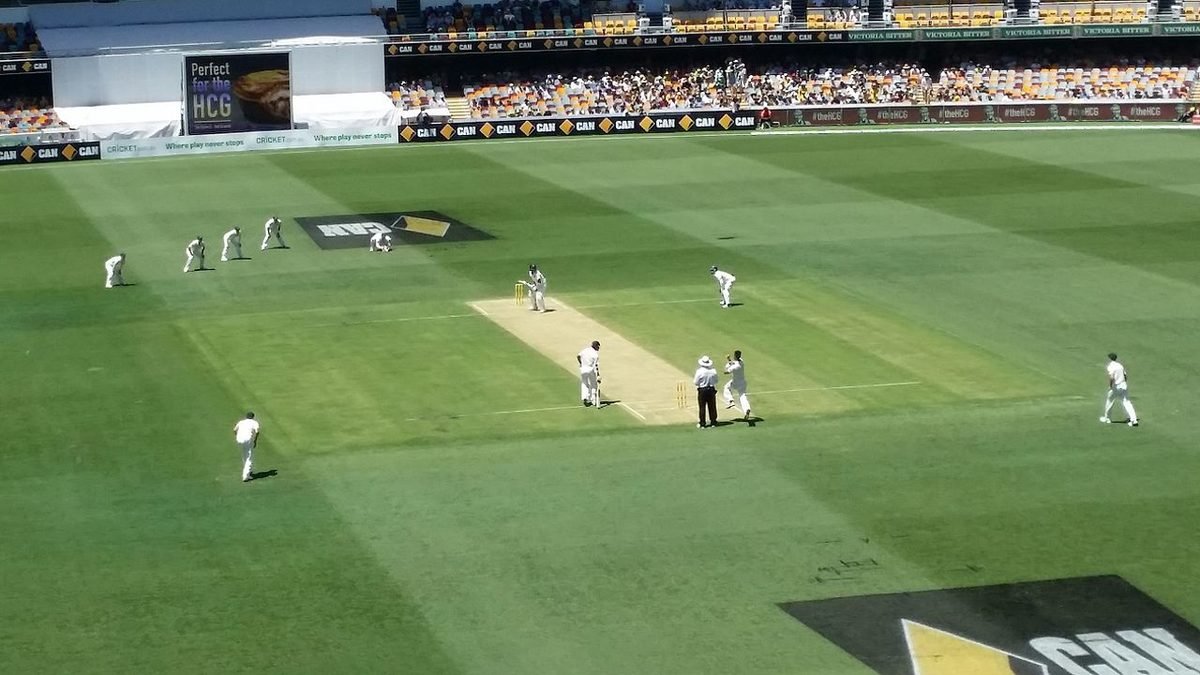
Powerplay 1 (1–10): the launchpad. Two fielders out means gaps everywhere. The best ODI sides treat this as an attacking phase by default now — 60–70 runs without losing more than a wicket is the modern benchmark, and the great sides push past 80. But there's a trap: lose 3 wickets in the powerplay and the whole innings plan collapses. Bowlers, meanwhile, hunt swing and seam — the new ball is their only real weapon before the field spreads.
Powerplay 2 (11–40): the chess match. Four out lets captains protect boundaries while attacking with spin. This is where ODI cricket is actually won — not with sixes, but with the quiet accumulation of 5-an-over while keeping wickets for the death. Watch for the "double-wicket maiden" overs that swing games: one tight over builds pressure, the next one takes the wicket. Spinners bowl the bulk here; part-timers get smuggled through.
Powerplay 3 (41–50): the lottery. Five fielders out sounds generous to bowlers, but batters know exactly where the gaps aren't and target them anyway. Yorkers, slower-ball bouncers, wide lines — death bowling is a specialist skill now, and the best exponents are worth their weight in gold. Teams want 100+ from the last 10; the best get 120.
The catching-positions rule
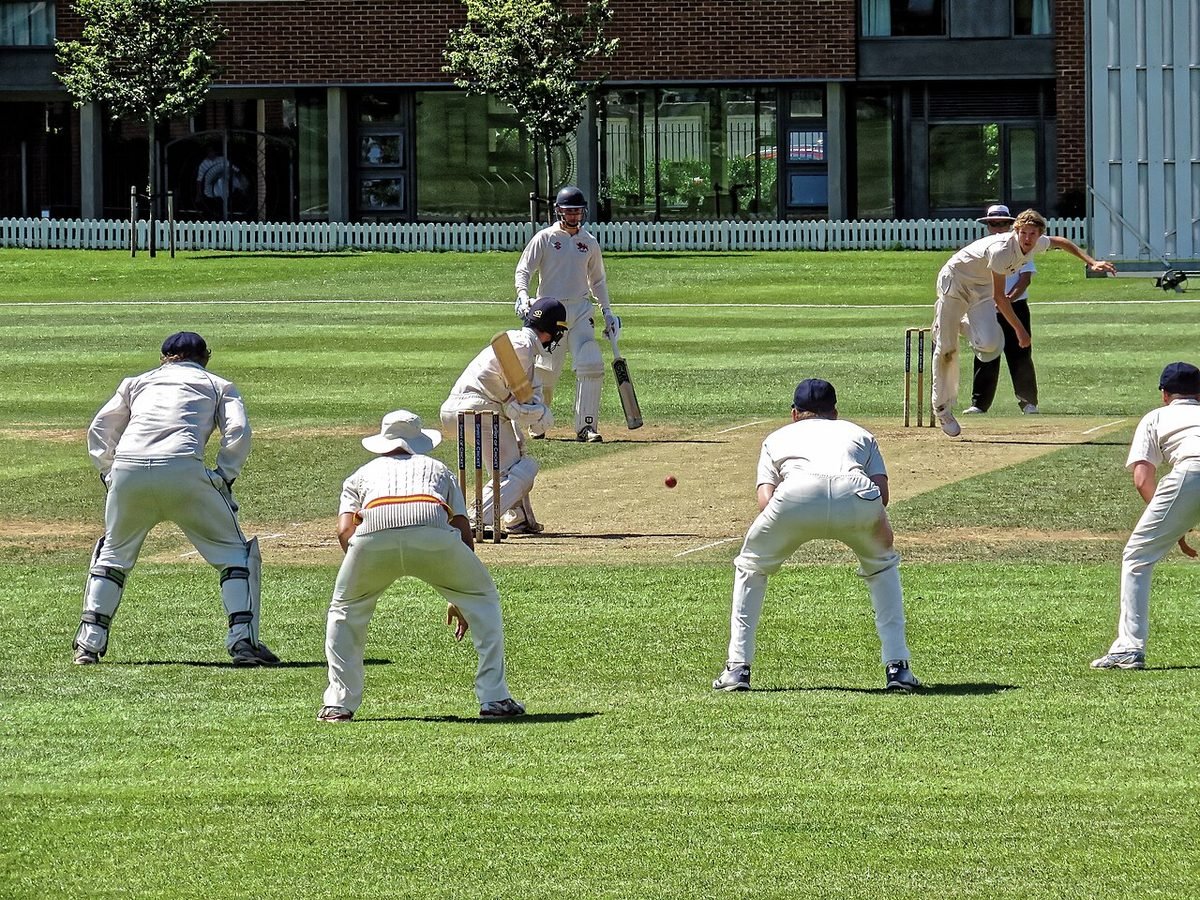
Buried in the laws: during the first 10 overs, at least two fielders must be in catching positions (slips, gully, short cover — roughly within 15 yards, excluding the keeper). It stops captains from putting everyone back even inside the circle. You'll see the umpire counting fielders at the start of every ODI — that's what they're checking.
Shortened games: powerplays shrink too
When rain cuts overs (DLS), the powerplay phases shrink proportionally — the ICC has a sliding scale. Roughly:
| Innings length | Powerplay 1 | Powerplay 2 | Powerplay 3 |
|---|---|---|---|
| 50 overs | 1–10 | 11–40 | 41–50 |
| 40 overs | 1–8 | 9–32 | 33–40 |
| 30 overs | 1–6 | 7–24 | 25–30 |
| 20 overs | 1–4 | 5–16 | 17–20 |
Approximate — the official table is over-by-over. The principle: restrictions scale with the innings.
Common confusion
The old "batting/bowling powerplay" choices (where captains picked 5-over blocks) were scrapped years ago — the phases are now fixed. If an old article mentions "taking the powerplay," it's outdated.
A few more myths worth killing:
- "Powerplay means the batting team chose it." Not since 2015. It's automatic now.
- *"Fielders must be inside the circle in PP1." No — 2 are allowed* outside. Most teams keep 7 in.
- "No-balls are free hits in powerplay." Free hits apply to all no-balls in ODIs regardless of phase — nothing powerplay-specific about them.
I grew up watching the era when captains would "take the batting powerplay" and everyone acted like it was chess. Honestly? The fixed system is better. One less thing for commentators to over-explain, and the cricket flows.
Related: How does NRR work? · DLS method · How many overs in T20? · Tri-series format